Instructions
-
Prepare Your Pecans: Preheat your oven to 350°F (175°C). Spread the chopped pecans and pecan halves (if using for garnish) on a baking sheet. Toast for 5-7 minutes, or until fragrant and lightly golden. Watch carefully to prevent burning. Set aside to cool completely.
-
Prepare Your Loaf Pan: Grease and flour a 9×5-inch loaf pan, or line it with parchment paper, leaving an overhang on the longer sides for easy removal. Preheat your oven to 350°F (175°C).
-
Combine Dry Ingredients: In a medium bowl, whisk together the all-purpose flour, baking powder, baking soda, and salt. Set aside.
-
Cream Butter and Sugars: In a large bowl, using an electric mixer, beat the softened unsalted butter, granulated sugar, and light brown sugar together on medium-high speed until light and fluffy, about 2-3 minutes. Scrape down the sides of the bowl as needed.
-
Add Eggs and Vanilla: Add the eggs one at a time, beating well after each addition until fully incorporated. Beat in the vanilla extract until combined.
-
Alternate Dry and Wet Ingredients: With the mixer on low speed, gradually add about one-third of the dry ingredient mixture to the wet ingredients, mixing until just combined. Pour in half of the buttermilk and mix until just incorporated. Repeat with another third of the dry ingredients, then the remaining buttermilk, and finally the last third of the dry ingredients. Mix until just combined, being careful not to overmix. A few streaks of flour are okay.
-
Fold in Pecans: Gently fold in the toasted chopped pecans into the cake batter using a spatula.
-
Bake the Loaf: Pour the batter evenly into the prepared loaf pan. Bake for 50-60 minutes, or until a wooden skewer or toothpick inserted into the center comes out clean. If the top starts to brown too quickly, you can tent it loosely with aluminum foil for the last 10-15 minutes of baking.
-
Cool the Cake: Once baked, remove the loaf pan from the oven and let the cake cool in the pan for 15-20 minutes. Then, carefully lift the cake out of the pan using the parchment paper overhang (or invert it onto a wire rack) and transfer it to a wire rack to cool completely before icing. This is crucial for the icing to set properly.
-
Prepare the Cream Cheese Icing: While the cake cools, make the icing. In a medium bowl, using an electric mixer, beat the softened cream cheese and softened unsalted butter together on medium speed until smooth and creamy, with no lumps. This should take about 2-3 minutes.
-
Add Powdered Sugar and Vanilla: Gradually add the sifted powdered sugar, one cup at a time, beating on low speed until combined, then increasing to medium-high until smooth. Beat in the vanilla extract.
-
Adjust Consistency (if needed): If the icing is too thick, add milk or heavy cream one tablespoon at a time, beating until you reach your desired pourable or spreadable consistency. If it’s too thin, add a little more sifted powdered sugar.
-
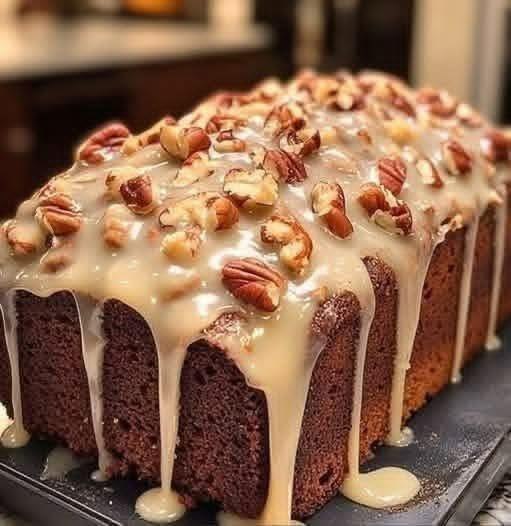
Ice and Garnish: Once the cake is completely cool, spread or pour the cream cheese icing generously over the top. Garnish with the toasted pecan halves, if desired.
-
Serve: Slice and serve your delicious Butter Pecan Cake Loaf! Enjoy with a cup of coffee or tea.
Cooking Tips and Variations
To ensure your Butter Pecan Cake Loaf is as perfect as can be, here are some essential tips. First and foremost, always use room temperature ingredients for both the cake and the icing. This is critical for achieving a smooth, evenly mixed batter and a lump-free, creamy icing. Cold butter and eggs won’t emulsify properly, leading to a denser cake and a clumpy icing. For the cake, make sure your butter and eggs have been out on the counter for at least 30 minutes to an hour. For the icing, allow your cream cheese and butter to soften for at least an hour at room temperature.
One of the most important steps for maximizing flavor in this recipe is toasting your pecans. Raw pecans can taste a bit bland, but a quick toast in the oven or a dry skillet awakens their natural oils, intensifying their nutty aroma and flavor. Keep a close eye on them, as they can go from perfectly toasted to burnt in a matter of seconds. As for the cake itself, avoid overmixing the batter once you add the dry ingredients. Overmixing develops the gluten in the flour, which can lead to a tough, dry cake. Mix until just combined, with a few small streaks of flour still visible.
To prevent your cake from drying out, keep a close eye on it during the last 10-15 minutes of baking. Every oven is different, so start checking for doneness around the 50-minute mark. A wooden skewer or toothpick inserted into the center should come out clean. If the top is browning too quickly but the inside isn’t done, loosely tent the loaf pan with aluminum foil. And perhaps the most crucial tip: allow the cake to cool completely on a wire rack before applying the cream cheese icing. If the cake is even slightly warm, the icing will melt and slide right off, creating a messy rather than magnificent result.
For variations, feel free to experiment with different nuts. While pecans are classic, walnuts or even a mix of nuts would be delicious. You could also add a touch of cinnamon or nutmeg to the cake batter for an extra layer of warmth, especially if you’re making this for fall. For the icing, a pinch of maple extract alongside the vanilla would complement the pecan flavor beautifully. If you prefer a less sweet icing, you can slightly reduce the amount of powdered sugar, but be mindful of the consistency. For a boozy twist, a tablespoon of bourbon or rum in the icing could add a sophisticated depth of flavor.
Storage and Reheating
Proper storage is key to keeping your Butter Pecan Cake Loaf with Cream Cheese Icing fresh and delicious. Because the icing contains cream cheese, it’s essential to store the cake in the refrigerator. After the icing has set (which happens quickly once chilled), place the entire loaf or individual slices in an airtight container. This will prevent the cake from drying out and absorbing odors from other foods in your fridge. Stored correctly, the cake will remain fresh for up to 4-5 days.
If you prefer to enjoy your cake at room temperature, simply remove a slice (or the entire loaf) from the refrigerator about 30-60 minutes before serving. This allows the cake and the icing to soften slightly, enhancing their texture and flavor. The cake will be perfectly moist and the icing wonderfully creamy. Avoid leaving the cake out at room temperature for extended periods, especially in warm environments, as the cream cheese icing can spoil.
For longer storage, this cake also freezes beautifully. To freeze, first ensure the cake is completely cooled and the icing is fully set. You can freeze the entire loaf or individual slices. Wrap the cake tightly in plastic wrap, then an additional layer of aluminum foil. This double layer of protection helps prevent freezer burn. Label with the date. The cake can be frozen for up to 2-3 months. When you’re ready to enjoy, transfer the frozen cake to the refrigerator to thaw overnight, still wrapped. Once thawed, unwrap and let it come to room temperature before serving, or simply enjoy it chilled. Do not attempt to re-freeze a thawed cake.
Frequently Asked Questions
Can I make this cake without buttermilk?
Yes, you can easily make a substitute for buttermilk. For ½ cup of buttermilk, simply measure ½ cup of regular milk (dairy or non-dairy) and stir in ½ tablespoon of lemon juice or white vinegar. Let it sit for 5 minutes until it slightly curdles. This acidity will react with the baking soda in the recipe, ensuring a moist and tender crumb.
Why did my cream cheese icing turn out lumpy?
Lumpy cream cheese icing is almost always due to using cold cream cheese or butter. It’s crucial that both ingredients are softened to room temperature before you begin mixing. This allows them to cream together smoothly without any stubborn lumps. If your icing is still lumpy, try beating it on medium-high speed for a few extra minutes, and if necessary, gently warm a small portion of the icing in the microwave for 5-10 seconds, then add it back to the bowl and beat vigorously.
Can I use a different size pan for this recipe?
This recipe is specifically developed for a standard 9×5-inch loaf pan. While you could potentially use a different pan, you would need to adjust the baking time significantly. For example, smaller loaf pans would bake faster, and larger pans might require more batter or result in a flatter cake. It’s best to stick to the recommended pan size for optimal results and doneness.
How do I prevent the pecans from sinking to the bottom of the cake?
To prevent pecans (or any heavy additions) from sinking, toss them with a tablespoon or two of the dry flour mixture before folding them into the batter. The light coating of flour helps them suspend more evenly throughout the cake as it bakes. Also, make sure your batter isn’t too thin; a thicker batter will hold inclusions better.