Instructions
- Begin by preparing the steak. Thinly slice the flank steak against the grain into 1/4-inch thick strips. In a medium bowl, combine the sliced steak with 2 tablespoons soy sauce, 1 tablespoon cornstarch, 1 teaspoon sesame oil, and 1/2 teaspoon baking soda (if using). Mix well to ensure the steak is evenly coated. Let it marinate at room temperature for at least 15-20 minutes, or refrigerate for up to 30 minutes. The baking soda helps tenderize the beef, making it incredibly soft.
- While the steak marinates, prepare your vegetables and sauce. Core and cut the green and red bell peppers into 1-inch pieces. Cut the yellow onion into 1-inch wedges, separating the layers. Mince the garlic and grate the fresh ginger.
- In a small bowl, whisk together the sauce ingredients: 1/4 cup beef broth, 2 tablespoons soy sauce, 1 tablespoon oyster sauce, 1 tablespoon brown sugar, 1 teaspoon freshly ground black pepper, and 1 teaspoon sesame oil. In a separate small bowl, whisk together 1 tablespoon cornstarch and 2 tablespoons water to create a cornstarch slurry. Set both aside.
- Heat 1 tablespoon of vegetable oil in a large wok or a large, heavy-bottomed skillet over high heat until it just begins to smoke. Add half of the marinated steak in a single layer, ensuring not to overcrowd the pan. Sear for 1-2 minutes per side until beautifully browned. Remove the cooked steak to a clean plate and repeat with the remaining steak, adding a little more oil if needed.
- Once all the steak is cooked and removed, add the remaining 1 tablespoon of vegetable oil to the wok. Add the sliced onions and stir-fry for 2-3 minutes until they begin to soften and become translucent.
- Add the green and red bell peppers to the wok. Stir-fry for another 2-3 minutes until they are crisp-tender, still retaining some bite. Avoid overcooking them, as you want them to remain vibrant and slightly crunchy.
- Push the vegetables to one side of the wok. Add the minced garlic and grated ginger to the cleared space in the center. Stir-fry for about 30 seconds until fragrant, being careful not to burn the garlic.
- Return the cooked steak to the wok with the vegetables. Give the prepared sauce mixture a quick whisk and pour it over the steak and vegetables. Bring the sauce to a gentle simmer.
- Give the cornstarch slurry another quick whisk and slowly pour it into the simmering sauce, stirring constantly. Continue to stir until the sauce thickens and becomes glossy, coating all the ingredients beautifully. This should take about 1-2 minutes.
- Remove the wok from the heat immediately. Taste and adjust seasoning if necessary, adding more soy sauce for saltiness or black pepper for more kick.
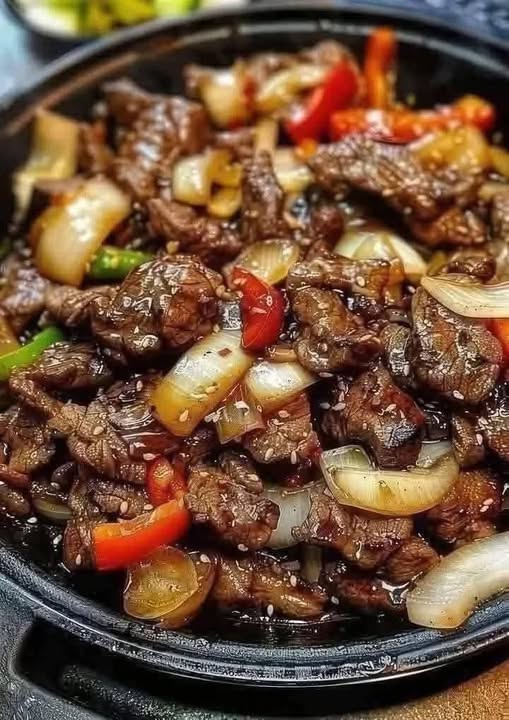
- Serve the Chinese Pepper Steak with Onions hot over fluffy white rice or your favorite noodles. Garnish with toasted sesame seeds, if desired, for an extra touch of flavor and visual appeal.
Cooking Tips and Variations
To achieve truly tender steak, slicing against the grain is crucial. This shortens the muscle fibers, making the beef easier to chew. The optional baking soda in the marinade is a secret weapon from Chinese cooking that breaks down connective tissues, resulting in incredibly soft, restaurant-quality beef. Don’t skip it if you want that melt-in-your-mouth texture! When stir-frying, always use high heat and don’t overcrowd your pan. Cooking in batches ensures the steak sears instead of steams, giving it a delicious crust. For the vegetables, aim for crisp-tender – they should still have a slight bite and vibrant color. Overcooked vegetables become soggy and lose their appeal. If you prefer a spicier dish, add a pinch of red pepper flakes with the garlic and ginger, or a dash of chili oil to the finished dish. For a richer, deeper flavor, you can swap out half of the beef broth for chicken broth or even a dry sherry. If you’re looking to add more vegetables, broccoli florets, sliced carrots, or snow peas would be excellent additions, stir-fried along with the bell peppers and onions. To make this dish vegetarian, substitute firm tofu or tempeh for the beef, pressing out excess water from the tofu before cubing and pan-frying until golden. Use vegetable broth instead of beef broth and ensure your oyster sauce is vegetarian (made from mushrooms) or omit it entirely and add a touch more soy sauce and a pinch of sugar.
Storage and Reheating
Store any leftover Chinese Pepper Steak with Onions in an airtight container in the refrigerator for up to 3-4 days. It makes for a fantastic next-day lunch! To reheat, you can use a microwave, heating in 1-minute intervals and stirring in between until warmed through. However, for best results and to maintain the texture of the steak and vegetables, we recommend reheating on the stovetop. Place the leftovers in a skillet or wok over medium heat, adding a splash of water or beef broth to help loosen the sauce and prevent drying out. Stir occasionally until heated through. Avoid reheating multiple times, as this can cause the steak to become tough and the vegetables to become mushy. This dish does not freeze particularly well due to the texture of the bell peppers and onions becoming overly soft upon thawing and reheating.
Frequently Asked Questions
What kind of steak is best for Chinese Pepper Steak?
Flank steak and sirloin steak are excellent choices for Chinese Pepper Steak. They are relatively lean, flavorful, and become wonderfully tender when thinly sliced against the grain and properly marinated. Skirt steak is another good option if you can find it.
Can I prepare the ingredients ahead of time?
Absolutely! This is a stir-fry, and known for its quick cooking time, so having all your ingredients prepped (mise en place) is key. You can slice the steak and marinate it up to a day in advance (refrigerated), chop all your vegetables, and whisk together your sauce and cornstarch slurry. Store everything separately in airtight containers in the refrigerator until you’re ready to cook.
My sauce isn’t thickening. What went wrong?
If your sauce isn’t thickening, it’s usually due to one of two reasons: either the cornstarch slurry wasn’t mixed well before adding (cornstarch settles quickly), or the sauce didn’t come to a full simmer after the slurry was added. Ensure you whisk the slurry right before pouring it in, and then let the sauce gently simmer for a minute or two, stirring constantly. If it’s still too thin, you can quickly mix a tiny bit more cornstarch with cold water and add another splash to the simmering sauce.
How can I make this dish less salty?
If you find the dish too salty, you can adjust the amount of soy sauce in the recipe. Opt for low-sodium soy sauce, or reduce the amount of regular soy sauce by half a tablespoon and taste before adding more. You can also increase the amount of beef broth slightly to dilute the saltiness, or add a squeeze of fresh lime juice at the end to brighten the flavors.