Instructions
- Preheat Oven and Prepare Pan: Preheat your oven to 350°F (175°C). Lightly grease and flour an 8×8 inch square baking pan or a 9-inch round cake pan. You can also line the bottom with parchment paper for easier removal.
- Combine Dry Ingredients: In a large mixing bowl, whisk together the all-purpose flour, granulated sugar, baking powder, baking soda, and salt until well combined. This ensures even distribution of the leavening agents.
- Add Wet Ingredients: Create a well in the center of the dry ingredients. Pour in the unsweetened coconut milk, vegetable oil, eggs, and vanilla extract.
- Mix the Batter: Using a whisk or a rubber spatula, mix the ingredients just until combined and no streaks of dry flour remain. Be careful not to overmix, as this can lead to a tough cake. A few small lumps are perfectly fine.
- Fold in Coconut: Gently fold in the 1 cup of shredded unsweetened coconut into the batter until evenly distributed.
- Pour into Pan: Pour the cake batter into the prepared baking pan and spread it evenly with a spatula.
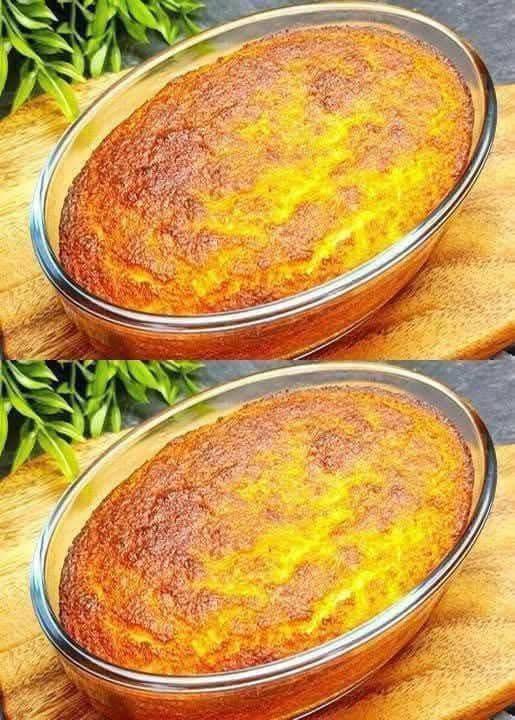
- Bake: Bake for 28-35 minutes, or until a wooden skewer or toothpick inserted into the center of the cake comes out clean. The cake should be golden brown on top and spring back lightly when touched.
- Cool: Remove the cake from the oven and let it cool in the pan on a wire rack for 10-15 minutes.
- Invert and Finish Cooling: After partial cooling, carefully invert the cake onto the wire rack to cool completely. This prevents the bottom from becoming soggy.
- Serve: Once completely cooled, slice and serve. You can dust with powdered sugar, add a simple glaze, or sprinkle with extra toasted coconut flakes for an enhanced presentation and flavor.
Cooking Tips and Variations
Achieving the perfect “Coconut Cake in 5 Minutes” (prep time!) is all about attention to a few key details and embracing creative variations. Here are some tips to ensure your cake is always a showstopper, along with ideas to switch things up:
Tips for Success:
- Room Temperature Ingredients: For the best emulsion and a smoother batter, try to have your eggs and coconut milk at room temperature. This allows them to incorporate more easily and evenly into the batter, leading to a more consistent crumb structure.
- Do Not Overmix: This is crucial for a tender cake. Once you add the wet ingredients to the dry, mix only until just combined. Overmixing develops the gluten in the flour, resulting in a dense, chewy cake rather than a light and fluffy one. A few small lumps are acceptable.
- Measure Flour Correctly: For accurate results, spoon your flour into the measuring cup and then level it off with a straight edge. Scooping directly from the bag can compact the flour, leading to too much flour and a dry cake.
- Shaking Coconut Milk: Canned coconut milk can separate, with the cream rising to the top. Make sure to shake the can very well before opening to ensure you get a consistent blend of cream and liquid, which is essential for the cake’s moisture and flavor.
- Accurate Oven Temperature: Ovens can vary. If you suspect your oven runs hot or cold, an oven thermometer is a worthwhile investment. An accurate temperature ensures the cake bakes evenly and doesn’t dry out or remain undercooked.
- Test for Doneness: The toothpick test is your best friend. Insert a wooden skewer or toothpick into the center of the cake. If it comes out clean or with a few moist crumbs attached, the cake is done. If it’s wet with batter, continue baking for a few more minutes.
- Cooling is Key: While it’s tempting to dive in, allowing the cake to cool completely on a wire rack is important. This allows the internal structure to set fully and moisture to redistribute, preventing a gummy texture and making it easier to slice.
Variations to Try:
- Toasted Coconut: For an intensified coconut flavor and delightful crunch, lightly toast some shredded coconut in a dry skillet over medium-low heat until golden brown. Sprinkle this on top of the finished cake or fold some into the batter along with the untoasted coconut.
- Citrus Zest: Add 1-2 teaspoons of fresh lemon or lime zest to the batter along with the wet ingredients. The bright citrus notes beautifully complement the tropical flavor of the coconut.
- Chocolate Chip Coconut: Fold in ½ cup of mini chocolate chips or white chocolate chips with the shredded coconut for a decadent twist.
- Nutty Coconut: Add ½ cup of finely chopped pecans or walnuts to the batter for added texture and a nutty flavor profile that pairs well with coconut.
- Pineapple Upside-Down Cake Style: Arrange pineapple rings at the bottom of your prepared pan, sprinkle with a little brown sugar, then pour the coconut cake batter over top. Bake as directed.
- Coconut Cream Cheese Frosting: For a more indulgent treat, whip up a simple coconut cream cheese frosting. Combine 4 oz softened cream cheese, ¼ cup softened unsalted butter, 1 ½ cups powdered sugar, and 1-2 tablespoons of coconut milk or cream until smooth and fluffy.
- Simple Glaze: For a quick and easy topping, whisk together 1 cup powdered sugar with 2-3 tablespoons of coconut milk (or regular milk/water) and ½ teaspoon vanilla extract until smooth. Drizzle over the cooled cake.
- Extract Enhancements: A few drops of coconut extract can boost the flavor even further, or try almond extract for a different aromatic note.
- Mini Cakes or Cupcakes: This batter works beautifully for cupcakes! Fill cupcake liners about two-thirds full and reduce baking time to 18-22 minutes.
Storage and Reheating
Proper storage is essential to keep your “Coconut Cake in 5 Minutes” fresh and delicious for as long as possible. Here’s how to store and reheat it:
At Room Temperature
If your cake does not have a perishable frosting (like cream cheese frosting), it can be stored at room temperature. Place the cooled cake in an airtight container or cover it tightly with plastic wrap. It will stay fresh for up to 2-3 days. Keep it away from direct sunlight or heat sources.
In the Refrigerator
If your cake has a cream cheese frosting or if you want to extend its shelf life, store it in the refrigerator. Place the cake in an airtight container or cover it well with plastic wrap to prevent it from drying out or absorbing other odors from the fridge. It will last for up to 5-7 days in the refrigerator.
Freezing
This coconut cake freezes beautifully! For best results, allow the cake to cool completely. You can freeze it whole, in halves, or individual slices. Wrap the cake tightly in plastic wrap, then add another layer of aluminum foil to prevent freezer burn. Place it in a freezer-safe bag or container. It can be frozen for up to 2-3 months. Thaw frozen cake overnight in the refrigerator or at room temperature for a few hours before serving.
Reheating
While this cake is delicious at room temperature or chilled, you can gently warm individual slices if you prefer a warm cake experience, especially if serving with ice cream or a warm sauce.
- Microwave: Place a slice on a microwave-safe plate. Heat on medium power for 15-30 seconds, or until just warm. Be careful not to overheat, as this can dry out the cake.
- Oven: If reheating a larger piece or multiple slices, preheat your oven to 250°F (120°C). Place the cake on a baking sheet and heat for 5-10 minutes, or until warmed through. This method helps maintain moisture better than a microwave.
Frequently Asked Questions
Can I use fresh coconut instead of shredded?
Absolutely! If you have access to fresh coconut, it will provide an even more vibrant and authentic flavor. You would likely want to grate about 1 cup of fresh coconut meat. You might notice a slightly different texture, but the flavor will be fantastic. Just ensure it’s finely grated to blend well into the batter.
What if I don’t have coconut milk? Can I use regular milk?
While unsweetened canned coconut milk is key to the cake’s distinct flavor and moistness, you can substitute it with whole milk or buttermilk in a pinch. However, be aware that the cake will have a less intense coconut flavor and a slightly different texture. You might consider adding a few drops of coconut extract (about ½ to 1 teaspoon) if using regular milk to boost the coconut essence.
Why is my cake dry?
A dry cake is often a result of overbaking or using too much flour. Ensure you measure your flour correctly (spoon and level method) and avoid overmixing the batter, which can develop gluten and lead to a tougher, drier crumb. Also, always check for doneness with a toothpick and remove the cake from the oven as soon as it tests clean.
Can I make this cake gluten-free?
Yes, you can often adapt this recipe to be gluten-free. Substitute the all-purpose flour with a 1:1 gluten-free baking flour blend that contains xanthan gum. Follow the rest of the instructions as written. Baking times may vary slightly, so keep a close eye on the cake and use the toothpick test for doneness.