Instructions
- Prepare the Steak: Pat the steak dry with paper towels. Season generously on both sides with ½ teaspoon salt and ¼ teaspoon black pepper.
- Cook the Steak (Pan-Searing): Heat 1 tablespoon olive oil in a heavy-bottomed skillet (cast iron works best) over medium-high heat until shimmering and almost smoking. Carefully place the seasoned steak in the hot skillet.
- Sear for Perfection: For medium-rare doneness (internal temperature 130-135°F), sear for 3-4 minutes per side. For medium (135-140°F), sear for 4-5 minutes per side. Use a meat thermometer to ensure accuracy. If grilling, preheat grill to high heat, brush grates with oil, and grill for similar times, turning once.
- Rest the Steak: Transfer the cooked steak to a cutting board. Tent loosely with aluminum foil and let it rest for at least 5-10 minutes. This crucial step allows the juices to redistribute, ensuring a tender and juicy result.
- Prepare the Dressing: While the steak rests, whisk together all the creamy dressing ingredients in a small bowl: mayonnaise, buttermilk, apple cider vinegar, Dijon mustard, minced garlic, fresh dill, ½ teaspoon salt, and ¼ teaspoon black pepper. Taste and adjust seasoning as needed.
- Assemble the Salad Base: In a large mixing bowl, combine the mixed greens, cherry tomatoes, red onion, cucumber, and shredded carrots.
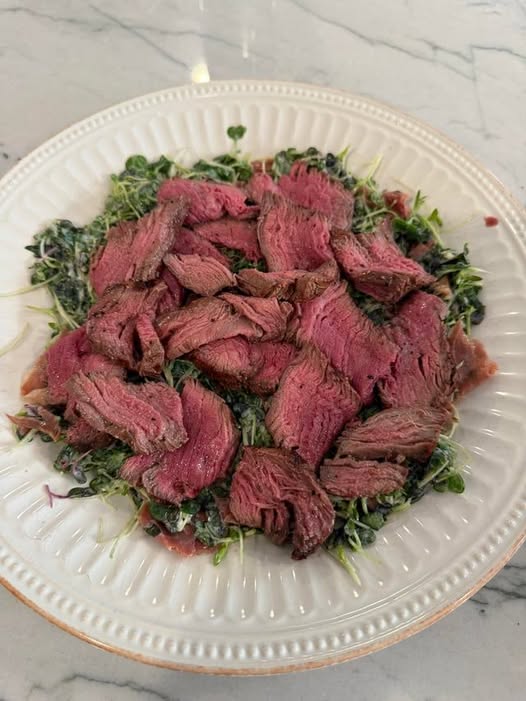
- Slice the Steak: After resting, slice the steak thinly against the grain. Slicing against the grain shortens the muscle fibers, making the steak much more tender and easier to chew.
- Dress and Arrange: Drizzle about half of the creamy dressing over the salad ingredients in the bowl. Toss gently to coat.
- Plate the Salad: Divide the dressed salad base among individual serving plates. Artfully arrange the sliced steak over the greens.
- Add Toppings: Garnish with microgreens or sprouts, crumbled blue cheese (if using), and torn prosciutto or ham (if using). Add a final drizzle of remaining creamy dressing over the steak and salad, or serve the extra dressing on the side. Serve immediately and enjoy the bold flavors!
Cooking Tips and Variations
Achieving the perfect steak salad is all about technique and fresh ingredients. For the steak, always bring it to room temperature for about 30 minutes before cooking. This promotes more even cooking. Use a high-smoke point oil like avocado oil or grapeseed oil if searing at very high temperatures. Don’t crowd the pan, as this can lower the temperature and steam the steak instead of searing it, preventing a beautiful crust from forming. A meat thermometer is your best friend for achieving the desired doneness; there’s no substitute for accuracy. Remember, the steak’s internal temperature will rise a few degrees as it rests, so pull it off the heat slightly before your target temperature.
For variations, consider marinating your steak for an hour or two before cooking to infuse extra flavor. A simple marinade of soy sauce, Worcestershire sauce, garlic, and a touch of brown sugar works wonders. If you’re not a fan of blue cheese, try crumbled goat cheese or feta for a different tangy note. For a lighter dressing, a simple vinaigrette made with olive oil, red wine vinegar, Dijon mustard, and a touch of honey would be delicious. If you prefer a nuttier flavor, toasted pecans or walnuts can add a lovely crunch. For an extra kick, add some thinly sliced jalapeños or a pinch of red pepper flakes to the dressing. To make it a heartier meal, consider adding roasted sweet potato cubes or quinoa to the salad base. For a global twist, incorporate elements like grilled corn, black beans, and a cilantro-lime dressing for a Southwestern flair.
Don’t be afraid to experiment with your greens! While mixed greens are fantastic, arugula adds a peppery bite, and spinach provides a softer texture and earthy flavor. Seasonal vegetables can also elevate your salad; think roasted asparagus in spring or grilled bell peppers in summer. The key is to use fresh, vibrant ingredients that complement the richness of the steak. Always slice the steak against the grain to ensure maximum tenderness; this is a non-negotiable step for a truly enjoyable steak salad.
For those looking to prep ahead, the dressing can be made up to 3 days in advance and stored in an airtight container in the refrigerator. The vegetables can be chopped and stored separately in the fridge for a day. The steak can even be cooked and sliced in advance, then gently reheated or served at room temperature on the salad. However, for peak freshness and texture, assemble the salad just before serving, especially adding the dressing, to prevent the greens from becoming soggy. This dish is incredibly versatile and adaptable to your taste preferences and what you have on hand, making it a perfect canvas for culinary creativity.
Storage and Reheating
Storing leftover steak salad properly is key to maintaining its freshness and flavor. It’s best to store the components separately if possible. The dressed salad greens will become soggy if left for too long, so if you anticipate leftovers, it’s ideal to dress only the portion you plan to eat immediately.
For the Steak: Store any leftover sliced steak in an airtight container in the refrigerator for up to 3-4 days. To reheat, the best method is to gently warm it in a skillet over low heat with a tiny bit of beef broth or water, just until warmed through, to prevent it from drying out. You can also microwave it briefly on a low setting, but be careful not to overcook it, as this will make it tough. Many people enjoy cold steak on their salad, so reheating might not even be necessary!
For the Salad Greens and Vegetables: If the salad has already been dressed, it’s best consumed within a few hours. Dressed greens tend to wilt and lose their crispness quickly. If the greens and vegetables are undressed, store them in an airtight container in the refrigerator for up to 2-3 days. Add dressing just before serving. Any creamy dressing should be stored in a separate airtight container in the refrigerator for up to 5-7 days.
Reheating the Full Salad (Not Recommended): Reheating a fully assembled and dressed salad is generally not recommended as the greens will become wilted and unappetizing. It’s always best to store and reheat components separately and then reassemble for the freshest experience.
Frequently Asked Questions
What kind of steak is best for steak salad?
For steak salad, leaner and more flavorful cuts that cook quickly are ideal. Flank steak, skirt steak, sirloin (especially top sirloin), and flat iron steak are excellent choices. These cuts are known for their robust beefy flavor and tender texture when sliced thinly against the grain. Avoid very thick cuts like a large ribeye, as they can be too rich and heavy for a salad, and take longer to cook.
How do I ensure my steak is tender?
Several factors contribute to tender steak. First, choose the right cut (as mentioned above). Second, pat the steak dry before seasoning and searing to achieve a good crust. Third, cook it to your desired doneness, preferably medium-rare or medium, as overcooked steak becomes tough. Most importantly, always rest the steak for at least 5-10 minutes after cooking before slicing. This allows the juices to redistribute throughout the meat, resulting in a much juicier and more tender bite. Finally, slice the steak thinly against the grain, which shortens the muscle fibers and makes it easier to chew.
Can I make the dressing ahead of time?
Absolutely! The creamy dressing is perfect for making ahead. You can prepare it up to 3-4 days in advance and store it in an airtight container in the refrigerator. In fact, making it ahead allows the flavors to meld and deepen, often resulting in an even more delicious dressing. Just give it a good whisk or shake before serving, as some ingredients might separate slightly when chilled.
What are some good additions to a steak salad besides what’s listed?
The beauty of a steak salad is its versatility! Beyond the core ingredients, you can add countless elements to customize it. Consider grilled corn, roasted bell peppers, avocado slices, crumbled bacon, toasted nuts (like pecans or walnuts), croutons for extra crunch, hard-boiled eggs for more protein, or even pickled red onions for a tangy kick. Fresh herbs like cilantro or basil can also add a bright, aromatic touch. Don’t be afraid to experiment with seasonal vegetables that are fresh and abundant.