Instructions
- Begin by thoroughly washing your lemons and ginger root under cool running water. This removes any dirt or residues.
- Carefully peel the ginger root. A spoon can be used to scrape off the skin, which helps minimize waste compared to using a vegetable peeler. Once peeled, thinly slice the ginger into small coins or grate it finely. Grating will yield a stronger ginger flavor more quickly.
- Next, prepare your lemons. Using a fine grater or zester, carefully remove the zest from one of the lemons, being sure to only get the bright yellow part and avoid the bitter white pith underneath. Set the zest aside.
- Juice both lemons. You should aim for approximately 1/4 to 1/2 cup of fresh lemon juice, depending on the size and juiciness of your lemons. Strain the juice through a fine-mesh sieve to remove any seeds or excessive pulp.
- In a medium saucepan, combine the 4 cups of filtered water with the prepared ginger slices or grated ginger and the lemon zest you set aside.
- Bring the water to a gentle simmer over medium heat. Once it reaches a simmer, reduce the heat to low, cover the saucepan, and let it gently infuse for 10-15 minutes. This allows the flavors of the ginger and lemon zest to fully meld and extract into the water. For a stronger ginger flavor, you can let it simmer for up to 20 minutes.
- After the infusion period, remove the saucepan from the heat. Carefully strain the infused water through a fine-mesh sieve into a heatproof pitcher or jar. Discard the ginger pieces and lemon zest. This step ensures a smooth, pulp-free beverage.
- Allow the strained ginger-lemon infusion to cool down to room temperature. This is important before adding the fresh lemon juice and any optional sweeteners, as high heat can degrade the vitamin C in lemon juice and alter the flavor of honey or other natural sweeteners.
- Once cooled, stir in the freshly squeezed lemon juice. Taste the mixture. If desired, add 1-2 tablespoons of raw honey, maple syrup, or your preferred sweetener, stirring until fully dissolved. Adjust the sweetness to your personal preference.
- For an extra zing and potential metabolism boost, stir in a tiny pinch of cayenne pepper, if using. Start with a very small amount and add more gradually if you want a spicier kick.
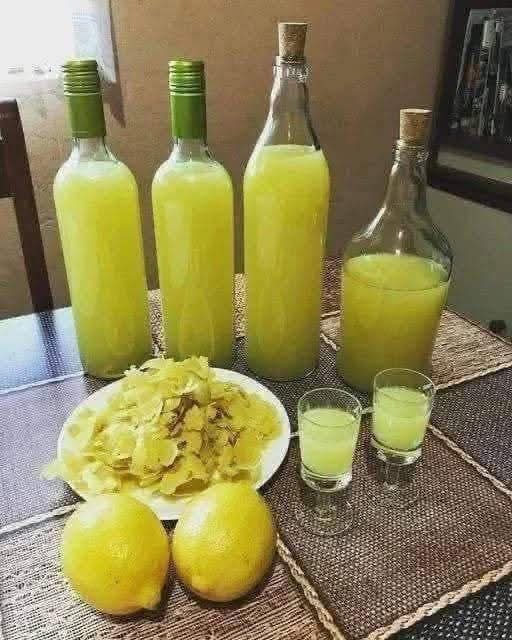
- Transfer the Lemon Ginger Water to clean glass bottles or a pitcher. Refrigerate for at least 2-3 hours, or until thoroughly chilled. Serving it cold truly enhances its refreshing qualities.
- When ready to serve, pour the chilled Lemon Ginger Water over ice. Garnish with fresh lemon slices, a few extra ginger coins, or a sprig of fresh mint or cucumber slices for an added touch of elegance and flavor. Enjoy your homemade, revitalizing elixir!
Cooking Tips and Variations
Achieving the perfect balance of flavors in your Lemon Ginger Water is an art, and a few simple tips can elevate your homemade batch from good to extraordinary. Firstly, the quality of your ingredients truly matters. For the best flavor, always opt for fresh, organic lemons if available. Look for lemons that are firm, bright yellow, and feel heavy for their size, as this indicates they are full of juice. When selecting ginger, choose firm roots with smooth, taut skin, avoiding any soft spots or mold. Using a spoon to peel the ginger is a clever trick that minimizes waste, ensuring you get the most out of your root.
Customization is key with this recipe. For a more intense ginger flavor, you can either grate the ginger instead of slicing it, or simply allow the ginger to steep for a longer period, even overnight in the refrigerator after the initial simmering. If you prefer a less potent ginger kick, reduce the amount of ginger or the steeping time. Similarly, the tartness of the lemon can be adjusted. If you find it too sour, add a bit more sweetener; if it’s not zesty enough, consider adding a little extra fresh lemon juice or a touch more zest. Remember to only use the yellow part of the zest, as the white pith can impart a bitter taste.
Beyond the core ingredients, there are numerous ways to vary and enhance your Lemon Ginger Water. For an extra layer of refreshment, consider adding slices of cucumber or a handful of fresh mint leaves during the steeping process or as a garnish. A pinch of cayenne pepper, as mentioned in the recipe, can provide a metabolism-boosting warmth and a subtle spicy kick. For those who enjoy a touch of sweetness, honey and maple syrup are excellent natural choices, but you can also experiment with agave nectar or a few drops of liquid stevia for a sugar-free option. In colder months, serving the Lemon Ginger Water warm, perhaps with an extra slice of lemon and a cinnamon stick, creates a comforting and soothing beverage, perfect for warding off chills or easing a sore throat. For a celebratory twist, this water makes an excellent base for mocktails or even cocktails; simply add a splash of sparkling water for fizz, or a shot of your favorite spirit for an adult beverage.
Storage and Reheating
Proper storage is essential to maintain the freshness, flavor, and beneficial properties of your homemade Lemon Ginger Water. Once prepared and cooled, transfer the water to clean, airtight glass bottles or a pitcher. Glass is preferred over plastic as it doesn’t absorb odors or flavors and is generally safer for long-term storage of acidic beverages. Make sure the containers are sealed tightly to prevent air exposure, which can degrade the flavors and nutrients over time.
Store the Lemon Ginger Water in the refrigerator. When properly stored, it will typically last for 3 to 5 days. You might notice a slight separation of ingredients or a bit of sediment at the bottom over time; this is perfectly normal, especially if you grated your ginger. Just give it a good shake before serving. It’s best to consume it within this timeframe to enjoy its peak freshness and potency. While it might still be safe to drink beyond 5 days, the flavors will likely have diminished, and its nutritional value may decrease.
Reheating Lemon Ginger Water is simple if you prefer to enjoy it warm. Pour the desired amount into a microwave-safe mug and heat in the microwave for 30-60 seconds, or until it reaches your preferred warmth. Alternatively, you can gently heat it in a small saucepan over low heat on the stovetop, being careful not to bring it to a boil, as excessive heat can reduce the potency of some of the beneficial compounds, particularly vitamin C. Warm Lemon Ginger Water is particularly soothing during cooler weather or when you’re feeling under the weather, offering a comforting embrace with its spicy, zesty notes. Avoid repeatedly reheating the entire batch; instead, warm only the portion you intend to consume immediately to preserve the quality of the rest.
Frequently Asked Questions
Can I make Lemon Ginger Water in a large batch?
Absolutely! Making Lemon Ginger Water in a large batch is highly recommended, especially if you plan to incorporate it into your daily routine. The recipe provided is for approximately 1 liter (4 cups), but you can easily double or triple the ingredients to make a larger quantity. Just ensure you have appropriate-sized pots for simmering and enough clean, airtight glass bottles or pitchers for storage in your refrigerator. Preparing a bigger batch saves time and ensures you always have this refreshing elixir on hand, ready to grab and go.
Is it better to use fresh ginger or ginger powder?
For the best flavor and most potent health benefits, fresh ginger root is highly recommended over ginger powder. Fresh ginger provides a more vibrant, pungent, and complex flavor profile that is characteristic of Lemon Ginger Water. It also contains higher levels of gingerol, the primary bioactive compound responsible for many of ginger’s medicinal properties, which can be partially lost in the drying and processing of ginger powder. While ginger powder can be used in a pinch (use about 1/4 teaspoon of powder for every 1 inch of fresh ginger), the taste will not be as bright or robust, and it might leave a more sediment-like texture.
Can I drink Lemon Ginger Water every day?
Yes, drinking Lemon Ginger Water every day is generally considered safe and can be a beneficial addition to your daily hydration routine. Many people enjoy it as a morning ritual to kickstart their digestion and boost their immune system. The key is moderation and listening to your body. While lemons and ginger offer numerous health benefits, excessive consumption of lemon juice can potentially erode tooth enamel over time (though diluted in water, this risk is minimal). If you have any underlying health conditions or are on medications, it’s always wise to consult with your doctor or a healthcare professional before making significant changes to your diet, even with natural remedies like Lemon Ginger Water.
What are the main health benefits of Lemon Ginger Water?
Lemon Ginger Water is packed with a variety of health benefits from its two primary ingredients. Lemons are an excellent source of Vitamin C, a powerful antioxidant known for boosting immunity, promoting skin health, and aiding iron absorption. They also contain compounds that may support detoxification. Ginger, on the other hand, is renowned for its anti-inflammatory and antioxidant properties. It’s a natural digestive aid, helping to soothe upset stomachs, reduce nausea, and alleviate bloating. Together, they create a synergistic drink that can aid in hydration, support digestion, boost your immune system, and provide anti-inflammatory effects, making it a wonderful tonic for overall wellness.