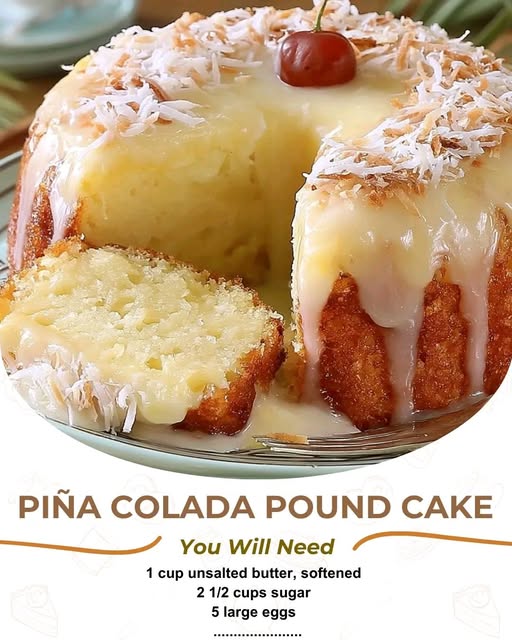
Instructions
- Preheat your oven to 325°F (160°C). Grease and flour a 10-12 cup Bundt pan thoroughly, ensuring every crevice is coated to prevent sticking.
- In a large mixing bowl, using an electric mixer, cream together the softened unsalted butter and granulated sugar on medium-high speed until light and fluffy, about 5-7 minutes. Scrape down the sides of the bowl as needed.
- Add the eggs one at a time, beating well after each addition until fully incorporated. Stir in the vanilla extract.
- In a separate medium bowl, whisk together the all-purpose flour, baking powder, and salt.
- Gradually add the dry ingredients to the wet ingredients, alternating with the full-fat coconut milk, beginning and ending with the dry ingredients. Mix on low speed until just combined. Be careful not to overmix.
- Gently fold in the well-drained crushed pineapple, shredded coconut, and rum (if using) into the batter until evenly distributed.
- Pour the batter into the prepared Bundt pan, spreading it evenly.
- Bake for 60-75 minutes, or until a wooden skewer or toothpick inserted into the center of the cake comes out clean. The top should be golden brown and spring back when lightly touched.
- Remove the cake from the oven and let it cool in the pan on a wire rack for 10-15 minutes. This allows the cake to firm up before inverting.
- Carefully invert the cake onto the wire rack to cool completely. Do not glaze until the cake is entirely cool.
- While the cake cools, prepare the Pineapple-Coconut Glaze. In a medium bowl, whisk together the sifted powdered sugar, pineapple juice, full-fat coconut milk, rum (if using), and vanilla extract until smooth and pourable. If the glaze is too thick, add a tiny bit more pineapple juice; if too thin, add a bit more powdered sugar.
- Once the cake is completely cool, place the wire rack over a baking sheet (to catch excess glaze). Pour the glaze evenly over the cooled pound cake, allowing it to drip down the sides.
- For the toasted coconut garnish, spread the shredded coconut in a single layer on a dry skillet over medium-low heat or on a baking sheet at 300°F (150°C). Toast, stirring frequently, until golden brown and fragrant. This usually takes 3-7 minutes. Watch it closely as it can burn quickly.
- Garnish the glazed cake with toasted shredded coconut and maraschino cherries before the glaze fully sets.
- Allow the glaze to set for at least 30 minutes before slicing and serving.
Cooking Tips and Variations
Achieving a perfectly moist pound cake with that delightful tropical flavor requires a few key techniques. Always start with room temperature ingredients, especially the butter and eggs. This allows them to emulsify properly, creating a smoother, more uniform batter that bakes up light and tender. When creaming butter and sugar, really take your time; whip it until it’s light and fluffy, almost pale in color. This process incorporates air, which contributes to the cake’s texture. Be careful not to overmix the batter once the flour is added. Overmixing develops the gluten, leading to a tough, dry cake. Mix just until the ingredients are combined. For an extra boost of rum flavor without the alcohol, you can use rum extract. A teaspoon or two in the cake batter and a half teaspoon in the glaze will provide an intense rum essence. If you prefer a non-alcoholic version, simply omit the rum entirely and substitute with additional pineapple juice or coconut milk in the glaze. For a more pronounced coconut flavor, you can lightly toast a portion of the shredded coconut before folding it into the batter, adding a subtle nutty depth. You can also experiment with different types of pineapple, such as finely diced fresh pineapple for a brighter, tangier note. Ensure your Bundt pan is meticulously greased and floured; this is critical for a clean release. Use a pastry brush to get into all the nooks and crannies, and once floured, tap out any excess. If you don’t have a Bundt pan, a 9×13 inch baking pan will work, but adjust the baking time accordingly, likely reducing it by 10-20 minutes. Always test for doneness with a wooden skewer. For a truly decadent experience, consider adding a thin layer of cream cheese frosting instead of the glaze, infusing it with a touch of pineapple and coconut flavor for an extra rich topping. Another variation is to make individual mini pound cakes using a mini Bundt pan, perfect for portion control or party favors. Just be sure to reduce the baking time significantly. Finally, remember that the quality of your ingredients matters – using full-fat coconut milk will yield a richer, more flavorful cake with a better texture than light coconut milk.
Storage and Reheating
To keep your Pina Colada Pound Cake fresh and delicious, proper storage is key. Once glazed, the cake should be stored at room temperature in an airtight container for up to 3-4 days. Placing it in an airtight container prevents it from drying out and keeps the glaze from becoming sticky or absorbed too quickly. If you live in a very warm or humid climate, or if your cake contains fresh fruit or dairy components that might spoil, it’s best to refrigerate it. When refrigerating, wrap the cake tightly in plastic wrap before placing it in an airtight container to prevent it from absorbing odors from other foods in the fridge. Refrigerated pound cake will last for up to a week. To reheat refrigerated pound cake, you can either let individual slices come to room temperature for about 30 minutes, or gently warm them in the microwave for 15-30 seconds until just warm. Be careful not to overheat, as this can dry out the cake. For longer storage, pound cake freezes exceptionally well. Wrap the cooled, unglazed cake tightly in plastic wrap, then in aluminum foil, and place it in a freezer-safe bag or container. It can be frozen for up to 2-3 months. If freezing a glazed cake, it’s best to freeze it first unwrapped until the glaze is solid, then wrap tightly to prevent sticking. Thaw frozen cake in the refrigerator overnight or at room temperature for several hours before serving. You can also freeze individual slices for quick access to a treat. Just wrap each slice individually before placing them in a freezer bag. When ready to enjoy, simply unwrap and let it thaw at room temperature or warm gently in the microwave. This preparation and storage method ensures that you can enjoy the tropical delight of your Pina Colada Pound Cake whenever the craving strikes.
Frequently Asked Questions
What kind of pineapple should I use for this cake?
For the best results, use canned crushed pineapple that has been very well-drained. You can press it in a fine-mesh sieve or paper towels to remove as much liquid as possible. Excess moisture can make the cake too dense or gummy. If using fresh pineapple, make sure it’s finely diced and also thoroughly drained.
Can I make this cake without alcohol?
Absolutely! The rum in this recipe is entirely optional. For the cake batter, you can omit the rum and replace it with an equal amount of pineapple juice or a teaspoon of rum extract for flavor. For the glaze, replace the rum with additional pineapple juice or coconut milk, or a 1/2 teaspoon of rum extract.
How do I prevent my pound cake from sticking to the Bundt pan?
Thorough greasing and flouring are crucial. Use softened butter or a baking spray that contains flour (like Baker’s Joy or Pam Baking). Apply it generously, making sure to get into all the crevices. Then, dust with all-purpose flour, tapping the pan to coat evenly, and discard any excess. Some bakers even chill the greased and floured pan for a few minutes before adding the batter for an extra layer of protection.
My cake came out dry. What went wrong?
A dry pound cake is usually a result of overbaking or overmixing the batter. Ensure you’re testing for doneness with a wooden skewer or toothpick; it should come out clean, but not completely dry, as a few moist crumbs are fine. Also, be gentle when mixing the dry ingredients into the wet; mix only until just combined to avoid developing the gluten too much, which can lead to a tough and dry texture.