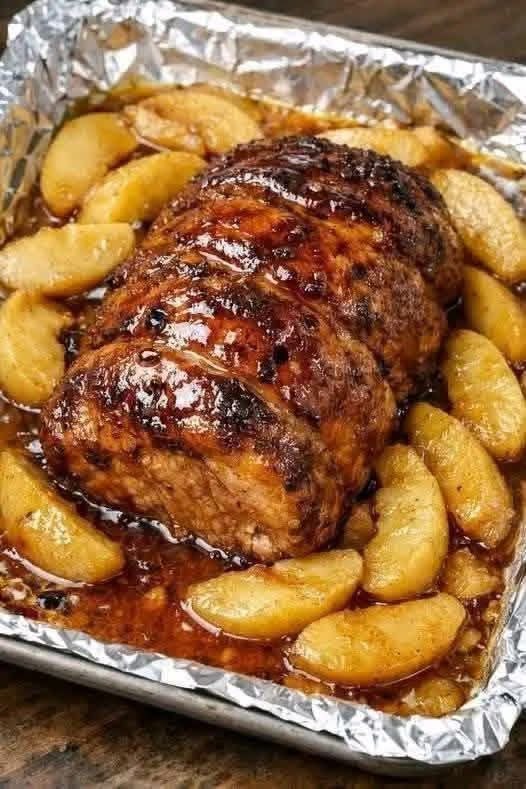
Instructions
- Preheat your oven to 300°F (150°C).
- Pat the beef chuck roast dry thoroughly with paper towels. Season generously all over with 1 teaspoon of salt and 1/2 teaspoon of black pepper.
- Heat 1 tablespoon of olive oil in a large Dutch oven or oven-safe pot over medium-high heat. Once the oil is shimmering, carefully place the beef roast into the pot. Sear on all sides until deeply browned and a rich crust has formed, about 4-6 minutes per side. This step is crucial for developing deep flavor. Remove the seared roast from the pot and set aside on a plate.
- Reduce the heat to medium-low. Add the remaining 1 tablespoon of olive oil to the same pot. Add the thinly sliced onions and cook, stirring occasionally, for 15-20 minutes, or until the onions are deeply golden brown and caramelized. This process takes time but is essential for the sweet, savory depth of the dish. If the onions start to stick, add a tablespoon of beef broth to deglaze the pan.
- Add the minced garlic, dried thyme, and dried rosemary to the caramelized onions. Cook for another 1-2 minutes, stirring constantly, until fragrant.
- Pour in the red wine (or balsamic vinegar) and scrape up any browned bits from the bottom of the pot with a wooden spoon. Let the wine simmer for 2-3 minutes, allowing some of the alcohol to evaporate.
- Stir in the beef broth and Worcestershire sauce. Bring the mixture to a gentle simmer.
- Return the seared beef roast to the Dutch oven, nestling it into the liquid and onions.
- Cover the Dutch oven tightly with its lid (or foil if your lid isn’t tight). Transfer the pot to the preheated oven.
- Slow-roast for 2 hours.
- After 2 hours, carefully remove the pot from the oven. Add the 2-inch carrot chunks around the beef roast, ensuring they are partially submerged in the liquid.
- Cover the pot again and return it to the oven. Continue to slow-roast for another 1.5 to 2.5 hours, or until the beef is fork-tender and easily shreds. The total cooking time will be approximately 3.5 to 4.5 hours, depending on the size and thickness of your roast.
- Once cooked, carefully remove the Dutch oven from the oven. Transfer the beef roast to a cutting board. Tent loosely with foil and let it rest for at least 15-20 minutes. This resting period is vital for the juiciness of the meat.
- While the beef rests, you can optionally thicken the gravy. In a small bowl, whisk together the 2 tablespoons of all-purpose flour with 2 tablespoons of cold water to create a slurry. Place the Dutch oven back on the stovetop over medium heat. Bring the liquid to a simmer, then slowly whisk in the flour slurry. Cook, stirring constantly, for 2-3 minutes until the gravy has thickened to your desired consistency. Taste and adjust seasoning if necessary.
- After resting, slice or shred the beef against the grain.
- Serve the sliced or shredded beef hot, topped with the rich gravy, caramelized onions, and tender carrots. Garnish with fresh chopped parsley if desired.
Cooking Tips and Variations
Beef Selection: For the best results, use a boneless beef chuck roast. It’s affordable, flavorful, and has enough connective tissue to break down into incredible tenderness during slow cooking. Other good options include beef brisket or round roast, though chuck is generally preferred for its marbling.
Don’t Skip the Sear: Searing the beef before roasting creates a beautiful crust and locks in moisture, but most importantly, it develops rich, complex flavors through the Maillard reaction that you simply can’t achieve otherwise. Take your time with this step.
Caramelizing Onions: Patience is key here. True caramelization takes time. Resist the urge to rush it by cranking up the heat, as you’ll just burn them. Low and slow heat brings out their natural sweetness and deepens their flavor profile.
Rest Your Meat: This is a non-negotiable step for any roasted meat. Resting allows the juices, which have been pushed to the center during cooking, to redistribute throughout the meat. This results in a more tender, juicier, and flavorful roast.
Vegetable Variations: Feel free to add other root vegetables. Potatoes (quartered or halved), parsnips, or even sweet potatoes can be added along with the carrots. If adding potatoes, consider adding them about 1.5 hours before the end of cooking to ensure they are tender but not mushy.
Flavor Enhancements: For an extra layer of flavor, add a bay leaf to the pot with the broth. A tablespoon of tomato paste stirred in with the garlic and herbs can also add a wonderful umami depth. For a brighter finish, a splash of red wine vinegar or a squeeze of lemon juice stirred into the gravy at the very end can balance the richness.
Spice It Up: A pinch of red pepper flakes can add a subtle kick if you enjoy a bit of heat.
Herb Freshness: While dried herbs are used for convenience and deep flavor development during slow cooking, a sprinkle of fresh herbs like thyme, rosemary, or parsley at the end can brighten the dish and add a lovely aromatic finish.
Use a Meat Thermometer: For absolute precision, an internal temperature of 195-205°F (90-96°C) indicates fall-apart tenderness for pot roast, as it signifies that the collagen has fully broken down.
Dutch Oven vs. Roasting Pan: A heavy-bottomed Dutch oven is ideal as it can go from stovetop to oven, allowing for searing and slow-roasting in one pot. If using a roasting pan, ensure it has a tight-fitting lid or use heavy-duty foil to seal it well, trapping the moisture for tender results.
Liquid Level: Ensure the liquid comes about halfway up the sides of the roast. You want to braise it, not fully submerge it, to allow for some browning on the top while keeping the bottom moist.
Storage and Reheating
Storage: Leftover Slow-Roasted Beef Pot Roast with Caramelized Onions and Carrots is often even more flavorful the next day! Allow the roast and gravy to cool completely to room temperature. Transfer them to an airtight container. It can be stored in the refrigerator for up to 3-4 days.
Freezing: This dish freezes beautifully. Once cooled, transfer the beef, carrots, and plenty of gravy to freezer-safe containers or heavy-duty freezer bags. Remove as much air as possible to prevent freezer burn. It can be frozen for up to 2-3 months. Thaw overnight in the refrigerator before reheating.
Reheating:
- Stovetop: The best method for reheating. Transfer the desired portion of pot roast and gravy to a saucepan or Dutch oven. Add a splash of beef broth or water if the gravy seems too thick. Heat gently over medium-low heat, stirring occasionally, until heated through. Do not boil vigorously, as this can dry out the meat.
- Oven: For larger portions or if reheating from frozen, place the pot roast and gravy in an oven-safe dish, covered tightly with foil. Reheat in a preheated oven at 300°F (150°C) for 20-30 minutes, or until heated through. If frozen, this may take 45-60 minutes or longer.
- Microwave: For individual servings, transfer to a microwave-safe dish. Cover loosely and reheat in 1-2 minute intervals, stirring between each, until hot. Be careful not to overheat, as this can make the meat tough.
Frequently Asked Questions
What cut of beef is best for pot roast?
The best cut of beef for pot roast is typically a boneless beef chuck roast. It’s well-marbled with fat and connective tissue, which breaks down beautifully during slow cooking, resulting in incredibly tender and flavorful meat. Other good options include beef brisket or round roast, but chuck is often preferred for its consistent tenderness.
Can I make this pot roast in a slow cooker?
Yes, absolutely! To adapt this recipe for a slow cooker: Sear the beef and caramelize the onions on the stovetop as directed. Transfer the seared beef, caramelized onions, garlic, herbs, broth, wine (or balsamic vinegar), and Worcestershire sauce to your slow cooker. Cook on low for 6-8 hours or on high for 3-4 hours, or until the beef is fork-tender. Add the carrots during the last 2-3 hours of cooking on low, or 1-1.5 hours on high. You can thicken the gravy on the stovetop after removing the beef and vegetables.
Why is my pot roast tough?
A tough pot roast usually means it hasn’t cooked long enough. Pot roast cuts, like chuck, are tough when undercooked because their connective tissues haven’t had enough time to break down into gelatin. The key to a tender pot roast is long, slow cooking at a low temperature. If your roast is tough, simply continue cooking it until it reaches fall-apart tenderness. It will eventually get there!