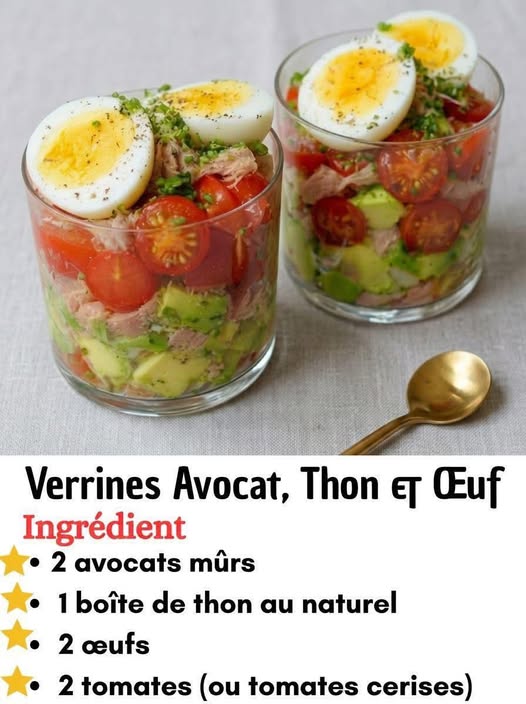
Instructions
- Prepare the Eggs: If not already hard-boiled, place the eggs in a saucepan and cover with cold water by about an inch. Bring to a rolling boil over high heat. Once boiling, remove from heat, cover, and let stand for 9-12 minutes. Immediately transfer the eggs to an ice bath to stop the cooking and cool them completely. Once cool, peel and chop them into small, even pieces.
- Prepare the Tuna Salad: In a medium bowl, combine the well-drained tuna, chopped hard-boiled eggs, mayonnaise (or Greek yogurt), Dijon mustard, and 1 tablespoon of the chopped chives. Mix gently until just combined. Season with salt and freshly ground black pepper to taste. Be careful not to overmix, as this can make the tuna mushy.
- Prepare the Avocado: Cut the avocados in half, remove the pit, and scoop out the flesh. Dice the avocado into small, uniform cubes. In a separate small bowl, gently toss the diced avocado with the fresh lemon juice. This helps prevent browning and adds a bright flavor. Season lightly with salt and pepper.
- Prepare the Tomatoes: Wash the cherry tomatoes and slice them in half. If using larger small tomatoes, you can quarter them.
- Assemble the Verrines (Layering): Choose clear glasses or jars for serving. Begin by placing a layer of diced avocado at the bottom of each glass, pressing down gently to create an even base.
- Next, carefully spoon a layer of the tuna and egg salad mixture over the avocado. Use the back of the spoon to gently spread it out, but avoid pressing too firmly to maintain the fluffy texture.
- Follow with a layer of the halved cherry tomatoes. Arrange them nicely against the glass for visual appeal.
- Repeat the layers if your glasses are tall enough, or simply top with a final layer of tuna and egg salad mixture.
- Chill: Cover the assembled verrines loosely with plastic wrap and refrigerate for at least 30 minutes to allow the flavors to meld and for the salad to chill thoroughly. Chilling also helps the layers set.
- Garnish and Serve: Just before serving, uncover the verrines. Garnish each with a sprinkle of fresh chopped chives and a crack of fresh black pepper. For an extra touch of elegance and flavor, you can drizzle a tiny bit of extra virgin olive oil over the top. Serve immediately and enjoy!
Cooking Tips and Variations
To ensure your Verrines Avocado, Tuna & Egg Salad is nothing short of spectacular, consider these tips and variations. For the avocado, always choose ripe but firm ones; they’re easier to dice and hold their shape better in the layers. To prevent the dreaded browning, a quick toss with lemon or lime juice is essential. Don’t skip this step! When preparing the hard-boiled eggs, ensure they are fully cooled before chopping. Cooling them in an ice bath immediately after cooking not only stops the cooking process but also makes them much easier to peel, preventing those annoying little shell fragments.
For the tuna, draining it thoroughly is crucial. Excess moisture can make your verrines watery and dilute the flavors. Press down on the lid of the can or use a fine-mesh sieve to remove as much liquid as possible. When mixing the tuna and egg salad, be gentle. Overmixing can turn the beautiful flaky tuna and distinct egg pieces into a uniform, unappealing paste. You want to maintain some texture in each component. Seasoning is key; taste your tuna and egg salad mixture before layering and adjust salt and pepper as needed. A pinch more salt can truly awaken the flavors.
If you’re looking to put your own spin on this recipe, the possibilities are endless. For a leaner option, substitute Greek yogurt for mayonnaise in the tuna salad. It adds a tangy creaminess without the extra fat. Instead of tuna, try flaked smoked salmon or cooked, shredded chicken for a different protein. For an extra kick, a tiny dash of hot sauce or a pinch of red pepper flakes can be added to the tuna mixture. Incorporate other fresh herbs like finely chopped parsley or dill for a fresh, aromatic twist. A layer of finely diced cucumber or bell pepper can add another layer of crunch and freshness. For a more substantial meal, serve these verrines alongside crusty bread or crackers.
When it comes to layering, visual appeal is half the battle. Think about contrasting colors and textures. The green avocado, pink tuna, yellow egg, and red tomatoes create a beautiful mosaic. Try to make each layer distinct and visible through the glass. Don’t be afraid to experiment with the order of layers, though starting with avocado often provides a good, stable base. For making ahead, you can prepare the tuna and egg salad mixture and the diced avocado (tossed with lemon juice) separately and store them in airtight containers in the refrigerator. Assemble the verrines no more than a few hours before serving to ensure ultimate freshness and prevent the avocado from browning too much.
Storage and Reheating
Verrines, by their nature, are best enjoyed fresh, especially given the presence of avocado. However, if you have leftovers or wish to prepare them a few hours in advance, proper storage is key. Once assembled, cover each verrine tightly with plastic wrap, ensuring the wrap touches the top layer of the salad to minimize air exposure. This helps to prevent the avocado from browning. Store the covered verrines in the refrigerator for up to 24 hours. While they can last a bit longer, the avocado’s freshness and color are at their peak within this timeframe.
It’s important to note that these verrines are not suitable for freezing. The delicate textures of avocado, egg, and tuna will break down and become watery and unappetizing upon thawing. Similarly, this dish is not meant for reheating. It is a cold salad, and attempting to warm it would drastically alter its texture and flavor profile, making it much less enjoyable. Always serve these verrines chilled, directly from the refrigerator.
If you’re planning to make a large batch for an event, consider preparing the components separately. You can make the tuna and egg salad mixture, chop the cherry tomatoes, and even dice the avocado (tossing it generously with lemon juice) and store them in separate airtight containers in the refrigerator for up to 1-2 days. Assemble the verrines no more than 2-3 hours before serving for the freshest and most vibrant presentation. This strategy allows for quick assembly right before your guests arrive, ensuring everything looks and tastes its best.
Before serving, remove the verrines from the refrigerator about 10-15 minutes in advance to allow them to lose some of their chill, enhancing the flavors slightly. A quick refresh with a garnish of fresh chives or a crack of black pepper will bring them back to life visually. Always check for any signs of spoilage, such as off-smells or discoloration, before consuming leftovers, though with proper storage, this should not be an issue within the recommended timeframe.
Frequently Asked Questions
Can I make these verrines completely ahead of time?
While you can prepare the individual components ahead of time, it’s best to assemble the verrines no more than 2-3 hours before serving for optimal freshness and appearance. The avocado, even with lemon juice, will start to brown over a longer period, and the textures are best when freshly layered.
What type of tuna should I use?
Canned tuna in water is generally preferred for this recipe as it has a lighter flavor and less oil, allowing the other ingredients to shine. However, if you prefer tuna in olive oil, ensure it is very well drained to avoid an overly oily verrine.
How can I make this recipe healthier?
To make this recipe even healthier, substitute Greek yogurt for mayonnaise in the tuna and egg salad. You can also increase the ratio of vegetables, adding finely diced cucumber or bell peppers to the layers. Use whole wheat crackers or lettuce cups for serving instead of bread.
What kind of glasses are best for verrines?
Any clear glass will work, but tall, narrow glasses such as shot glasses, small tumblers, or even martini glasses are ideal. Their transparency beautifully showcases the distinct layers, which is a key part of the verrine’s appeal.