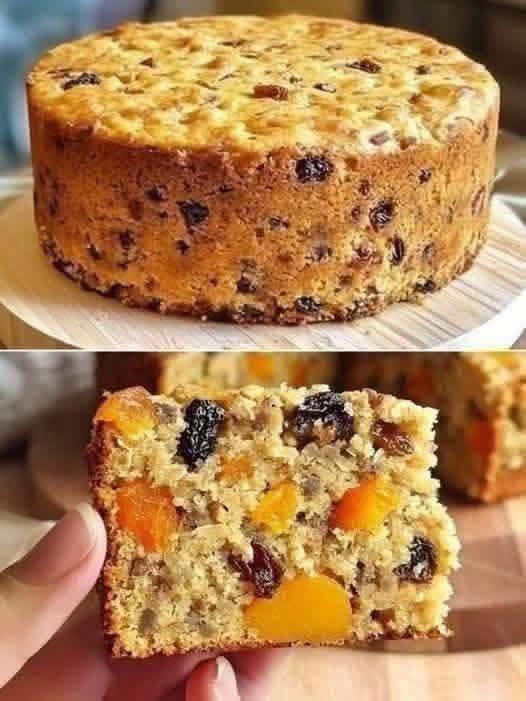
Instructions
- Preheat your oven to 325°F (160°C). Grease and flour (with almond flour) a 9×5-inch loaf pan, or line with parchment paper, leaving an overhang on the sides for easy removal.
- In a large bowl, whisk together the blanched almond flour, coconut flour, granulated erythritol, brown erythritol, baking powder, cinnamon, nutmeg, cloves, ginger, and salt until well combined and lump-free.
- In a separate medium bowl, whisk the eggs until light and frothy. Stir in the melted butter, almond milk, vanilla extract, and rum extract (if using) until fully incorporated.
- Pour the wet ingredients into the dry ingredients. Mix with a spatula or wooden spoon until just combined. Be careful not to overmix, as this can lead to a tough cake. The batter will be thick.
- In a small bowl, combine the sugar-free dried cranberries, chopped dried apricots, pecans, walnuts, and sugar-free candied orange peel (or orange zest). Toss with 1 tablespoon of almond flour. This step helps prevent the fruits and nuts from sinking to the bottom of the cake during baking.
- Gently fold the fruit and nut mixture into the cake batter until evenly distributed.
- Spoon the batter into the prepared loaf pan, spreading it evenly with the back of a spoon or a spatula.
- Bake for 50-60 minutes, or until a wooden skewer or toothpick inserted into the center of the cake comes out clean. The top should be golden brown and the edges set.
- Remove the cake from the oven and let it cool in the pan on a wire rack for at least 15-20 minutes.
- Once slightly cooled, carefully lift the cake out of the pan using the parchment paper overhang. Transfer it directly to the wire rack to cool completely before slicing. This can take several hours.
- For best flavor and texture, allow the fruitcake to “cure” for at least 24 hours before serving. Tightly wrap it in plastic wrap and store it at room temperature or in the refrigerator.
Cooking Tips and Variations
- Preventing Sunken Fruit: Tossing the dried fruits and nuts in a tablespoon of almond flour before adding them to the batter is crucial. This creates a thin coating that helps them suspend in the batter rather than sinking to the bottom during baking.
- Rehydrating Dried Fruit: If your sugar-free dried fruits feel very hard or dry, you can rehydrate them before adding to the batter. Soak them in a small amount of warm water, sugar-free rum extract, or even a sugar-free orange juice alternative for about 15-20 minutes, then drain thoroughly and pat dry before tossing with almond flour.
- Moisture Retention: Almond flour-based cakes can sometimes be drier than traditional flour cakes. Ensure your eggs and butter are at room temperature for better emulsion. You can also add an extra tablespoon of almond milk if your batter seems excessively thick.
- Don’t Overbake: Overbaking is the enemy of moisture. Start checking for doneness at the 50-minute mark. A slightly moist crumb on the toothpick is okay, as the cake will continue to cook slightly as it cools.
- Spice It Up: Feel free to adjust the spices to your preference. A pinch of cardamom or allspice can add another layer of complexity.
- Nut Variations: Experiment with different nuts like slivered almonds, pecans, or macadamia nuts. Toasting them lightly before adding can enhance their flavor.
- Low-Carb Glaze: For an extra touch, you can create a simple sugar-free glaze. Whisk together 1/2 cup powdered erythritol with 1-2 tablespoons of almond milk and a tiny splash of vanilla or rum extract until smooth. Drizzle over the cooled cake.
- Citrus Zest: If you don’t have sugar-free candied orange peel, the zest of one organic orange or lemon can provide a wonderful bright flavor.
- “Feeding” the Cake (Optional): For an even richer, more traditional fruitcake experience, you can “feed” the cake. Once completely cooled, poke small holes in the top with a skewer and brush with 1-2 tablespoons of sugar-free rum extract or brandy (check labels for carb content). Wrap tightly and repeat every few days for up to a week.
Storage and Reheating
To keep your Zero Carb Fruit Cake fresh and moist, proper storage is key.
- Room Temperature: Once completely cooled, wrap the fruitcake tightly in plastic wrap, then place it in an airtight container. It can be stored at room temperature for up to 3-4 days. This allows the flavors to meld and deepen, often making the cake taste even better on subsequent days.
- Refrigeration: For longer storage, especially if your kitchen is warm, wrap the cake tightly in plastic wrap and store it in an airtight container in the refrigerator for up to 1-2 weeks.
- Freezing: This fruitcake freezes beautifully. Wrap individual slices or the whole cake tightly in plastic wrap, then an additional layer of aluminum foil, or place in a freezer-safe bag or container. It can be frozen for up to 2-3 months.
- Reheating: If frozen, thaw the cake overnight in the refrigerator. For a warm slice, you can gently heat individual portions in the microwave for 10-20 seconds, or in a preheated oven at 300°F (150°C) for 5-10 minutes, until just warmed through. Be careful not to overheat, as this can dry out the cake.
Frequently Asked Questions
What makes this fruitcake “zero carb” if it contains dried fruit?
While traditional dried fruits are indeed high in carbs, this recipe carefully selects or prepares “sugar-free” dried fruits, which typically have significantly reduced sugar content or use alternative sweeteners. Additionally, the overall portion of dried fruit is moderated compared to traditional recipes. The “zero carb” in the title is a common marketing term for extremely low-carb or keto-friendly recipes, indicating net carbs are very low, not necessarily zero total carbohydrates from all ingredients. Our nutritional estimate reflects the actual net carb count.
Can I substitute other flours for almond and coconut flour?
No, it is not recommended to substitute other flours directly. Almond flour and coconut flour behave very differently from wheat flour and from each other. They absorb liquids differently and contribute to the cake’s unique texture and low-carb profile. Substituting with other flours, even gluten-free ones, would drastically alter the carb count, texture, and moisture of the cake, and the recipe would likely fail.
Why does my fruit sink to the bottom of the cake?
This is a common issue, and the solution is simple! The key is to toss your dried fruits and nuts with a tablespoon of the dry flour mixture (almond flour in this case) before folding them into the batter. This light coating creates a barrier that helps suspend them evenly throughout the cake, preventing them from sinking to the bottom during baking due to their weight.
Is this fruitcake suitable for diabetics?
Since this fruitcake uses sugar substitutes like erythritol and is very low in net carbohydrates, it is generally considered suitable for individuals managing blood sugar levels, including many diabetics. However, it is always recommended to consult with a healthcare professional or registered dietitian regarding specific dietary needs and to monitor individual blood glucose responses to any new food.