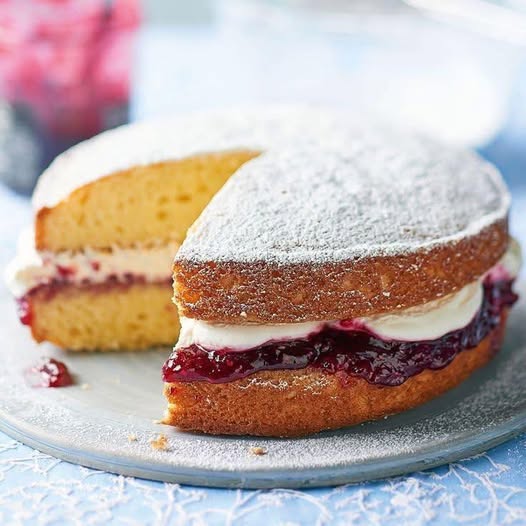
Instructions
- Preheat your oven to 180°C (350°F) or 160°C (325°F) for a fan-assisted oven. Grease and line two 20cm (8-inch) round cake tins with baking parchment.
- In a large mixing bowl, cream together the softened unsalted butter and caster sugar using an electric mixer until the mixture is light, pale, and fluffy. This process incorporates air, which is crucial for a light sponge. Scrape down the sides of the bowl occasionally to ensure even mixing.
- Gradually beat in the eggs, one at a time, mixing well after each addition. If the mixture looks like it’s curdling, add a tablespoon of the sifted flour with the next egg. Stir in the vanilla extract.
- Gently fold in the sifted self-raising flour using a large metal spoon or spatula until just combined. Be careful not to overmix, as this can develop the gluten and result in a tough cake. The batter should be light and airy.
- If the batter seems a little stiff, add a tablespoon or two of milk until it reaches a soft dropping consistency (it should fall easily off a spoon).
- Divide the batter evenly between the two prepared cake tins. Smooth the tops with the back of a spoon or spatula to ensure even baking.
- Bake for 20-25 minutes, or until the cakes are golden brown, well-risen, and spring back when lightly touched in the center. A skewer inserted into the center should come out clean.
- Once baked, remove the cakes from the oven and let them cool in their tins for about 5-10 minutes. Then, carefully turn them out onto a wire rack to cool completely. Ensure they are fully cooled before assembling, otherwise, the cream will melt.
- While the cakes are cooling, prepare the cream filling. Pour the chilled heavy cream into a cold bowl and whip with an electric mixer until soft peaks form. You can add a tablespoon of powdered sugar for extra sweetness if desired. Be careful not to over-whip, or it will become grainy.
- Once the cakes are completely cool, place one sponge layer onto your serving plate or stand. Spread the raspberry or strawberry jam evenly over the top of this layer, leaving a small border around the edge.
- Spoon or pipe the whipped cream over the jam layer, spreading it out to the edges.
- Carefully place the second sponge layer on top, gently pressing down to secure it.
- To finish, lightly dust the top of the cake with powdered sugar using a small sieve.
- Serve immediately or store as directed below.
Cooking Tips and Variations
For the best Victoria Sponge, room temperature ingredients are non-negotiable. Softened butter creams much better with sugar, incorporating more air, which leads to a lighter, fluffier cake. Cold eggs and milk will cause the butter to seize, resulting in a dense batter. Always take your butter, eggs, and milk out of the fridge at least an hour before you plan to bake.
When creaming butter and sugar, beat them together until the mixture is visibly lighter in color and significantly increased in volume. This is the foundation of your cake’s texture. Don’t rush this step!
Once you add the flour, fold it in gently. Overmixing develops the gluten in the flour, making the cake tough and chewy instead of light and tender. Stop mixing as soon as no streaks of flour remain.
To avoid a sunken middle, resist the urge to open the oven door during the first 15-20 minutes of baking. The sudden drop in temperature can cause the cake to collapse. Also, ensure your oven temperature is accurate; an oven thermometer can be a great investment.
For a beautifully level cake, you can wrap damp baking strips around the outside of your cake tins before baking. These help the cakes bake more evenly by insulating the edges, preventing them from setting too quickly and allowing the center to rise at the same rate.
If you don’t have self-raising flour, you can easily make your own. For every 100g of plain (all-purpose) flour, add 1.5 teaspoons of baking powder. Sift them together thoroughly before adding to the batter.
Vary the jam! While raspberry and strawberry are classic, feel free to experiment with other fruit preserves like blackcurrant, apricot, or even a lemon curd for a zesty twist. You can also add a hint of lemon zest to the sponge batter for extra brightness.
For a more stable filling, especially if the cake will be sitting out for a while, consider using a vanilla buttercream instead of whipped cream. Simply cream together 100g softened butter, 200g powdered sugar, 1-2 tablespoons milk, and 1 teaspoon vanilla extract until light and fluffy.
For an extra rich flavor, you can brush the cooled sponge layers with a light sugar syrup (equal parts sugar and water, boiled and cooled) before adding the filling. This also helps keep the cake moist.
To ensure even layers, once cooled, you can use a serrated knife to carefully level the tops of your sponges if they have domed significantly. This creates a neater, more professional-looking cake.
Storage and Reheating
A Classic Victoria Sponge Cake is best enjoyed on the day it’s made, as the fresh cream filling can start to lose its texture and the cake can dry out slightly over time. However, if you have leftovers, they can be stored carefully.
Store the assembled cake in an airtight container in the refrigerator for up to 2-3 days. The airtight container is crucial to prevent the cake from absorbing odors from other foods in the fridge and to maintain its moisture. Keep in mind that the sponge will become slightly firmer when chilled, and the cream will hold its shape better.
If you’ve made the sponge layers in advance without the filling, they can be stored at room temperature in an airtight container for up to 2 days, or frozen for up to 1 month. To freeze, wrap each cooled sponge tightly in cling film, then in foil. Thaw at room temperature before assembling.
The cream filling cannot be reheated, as it will melt and separate. The cake itself is not typically reheated; it’s best served at room temperature or slightly chilled. If you’ve stored the assembled cake in the fridge, take it out about 30 minutes before serving to allow the sponge to soften slightly and the flavors to come alive.
Frequently Asked Questions
What is the difference between a Victoria Sponge and a regular sponge cake?
While both are light cakes, a Victoria Sponge specifically refers to a two-layer sponge cake filled with jam and cream, named after Queen Victoria. The classic recipe often uses the “creaming method” for the batter, which involves creaming butter and sugar together first, resulting in a slightly richer and more tender crumb than some simpler sponge cakes that might rely solely on whisked eggs for leavening.
Why did my Victoria Sponge sink in the middle?
There are a few common reasons for a sunken sponge. It could be due to opening the oven door too early during baking, a sudden temperature drop, overmixing the batter (which develops gluten and makes the cake heavy), using too much raising agent, or the oven temperature being too low. Ensure your oven is preheated properly and avoid disturbing the cake during the initial baking phase.
Can I make Victoria Sponge ahead of time?
You can bake the sponge layers a day or two in advance. Once completely cooled, wrap them tightly in cling film and store at room temperature. The jam can also be prepared ahead. However, it’s best to whip the cream and assemble the cake as close to serving time as possible for the freshest taste and best texture. The cream can soften and the cake can become soggy if assembled too far in advance.
What kind of jam is best for Victoria Sponge?
Traditionally, raspberry or strawberry jam is used for a Victoria Sponge. These fruit jams offer a lovely balance of sweetness and tartness that complements the rich sponge and cream beautifully. Opt for a good quality, seedless jam if possible, for the smoothest texture and best flavor. However, you can certainly experiment with other fruit preserves if you have a favorite.