Introduction
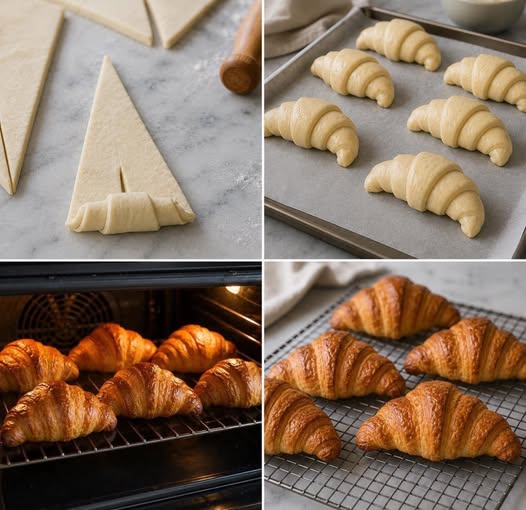
Ah, the croissant. Just the word itself conjures images of Parisian cafes, steaming coffee, and the gentle rustle of a perfectly flaky pastry. This iconic French delight, a cornerstone of viennoiserie, is far more than just a breakfast item; it’s an experience. At its heart, a croissant is a crescent-shaped roll made from a rich, laminated dough, which is a fancy way of saying layers upon layers of butter and dough are meticulously folded and rolled together. This intricate process is precisely what gives the croissant its signature airy texture, delicate crispness, and that irresistible buttery aroma that fills any kitchen lucky enough to host its baking.
The magic of a croissant lies in its contrast: a golden-brown, shatteringly crisp exterior that gives way to an incredibly soft, tender, and open crumb inside. Each bite is a symphony of textures and flavors, from the slight chewiness of the dough to the rich, creamy notes of butter that permeate every layer. While often associated with France, the croissant’s origins actually trace back to Austria, evolving from the kipferl before being refined and popularized in its current form in France. Its journey from a simple bread roll to the sophisticated pastry we adore today is a testament to culinary innovation and the pursuit of delicious perfection.
For many, the idea of making croissants at home seems daunting, a task reserved for professional bakers. And yes, achieving bakery-quality croissants requires patience, precision, and a good understanding of dough lamination. However, the reward of pulling a tray of warm, golden, homemade croissants from your oven is immeasurable. This recipe will guide you through the traditional process, ensuring that you understand each critical step, from creating the perfect butter block to mastering the delicate art of folding and shaping. Prepare to embark on a culinary adventure that culminates in the most satisfyingly flaky and buttery croissants you’ve ever tasted.
Nutritional Information
Per serving (approximate values):
- Calories: 280
- Protein: 6g
- Carbohydrates: 30g
- Fat: 15g
- Fiber: 1g
- Sodium: 250mg
Ingredients
- 500g (4 cups) all-purpose flour, plus extra for dusting
- 60g (1/4 cup) granulated sugar
- 10g (2 teaspoons) active dry yeast
- 10g (2 teaspoons) fine sea salt
- 250ml (1 cup) cold milk
- 50ml (1/4 cup) cold water
- 250g (1 cup) unsalted butter, very cold, for lamination
- 1 large egg, beaten, for egg wash